
Data-driven Occupant Behavior Modeling
Data Driven Occupant Behavior Modeling
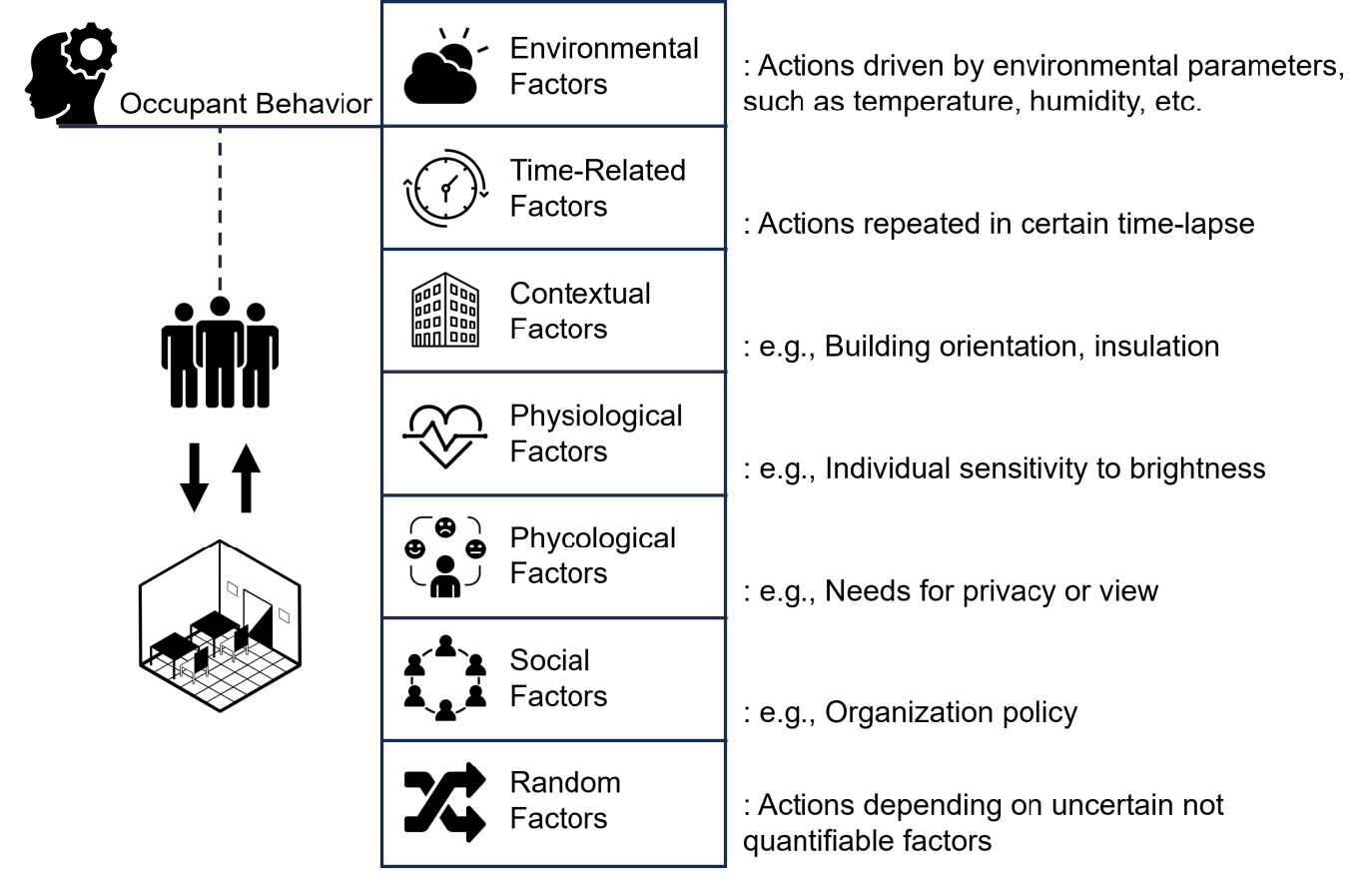
Occupant interactions with building systems is one of the major factors in building energy performance, but one that is poorly understood, modeled and simulated. The discrepancy between simulated and actual building performance is critically impacted by limited understanding of these occupant – building interactions. Several occupant behavior models have been proposed by the building energy modeling research community; however, their performance heavily relied on experts’ experience and insight.
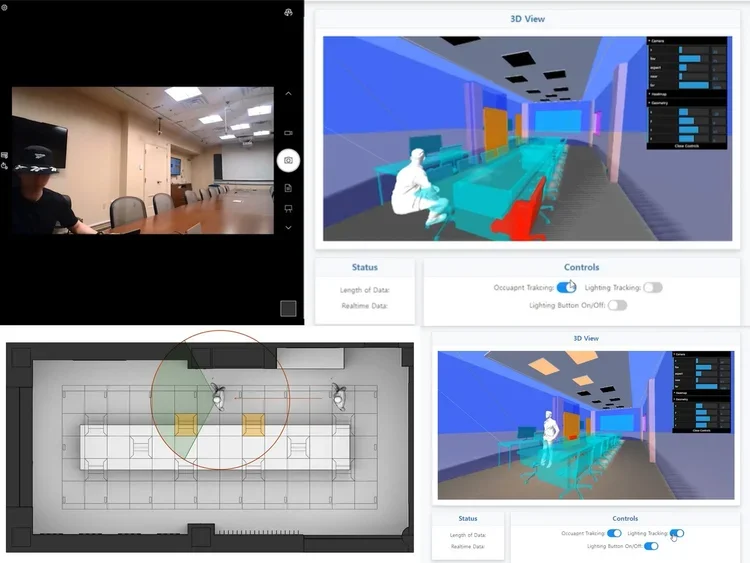
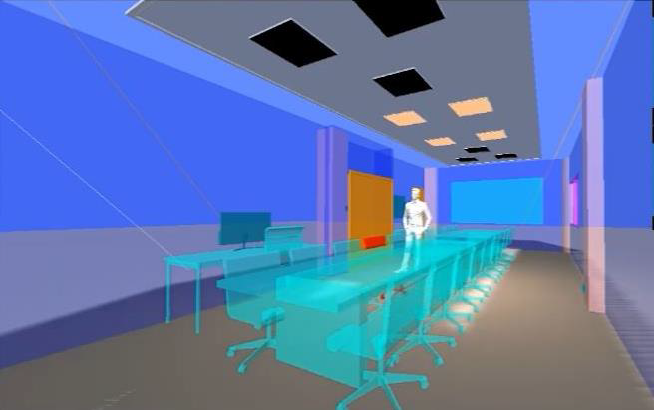
This project aims to develop a data driven workflow connecting occupant behavior monitoring systems to data-driven modeling connecting building descriptions, control data streams and building - occupant interactions.
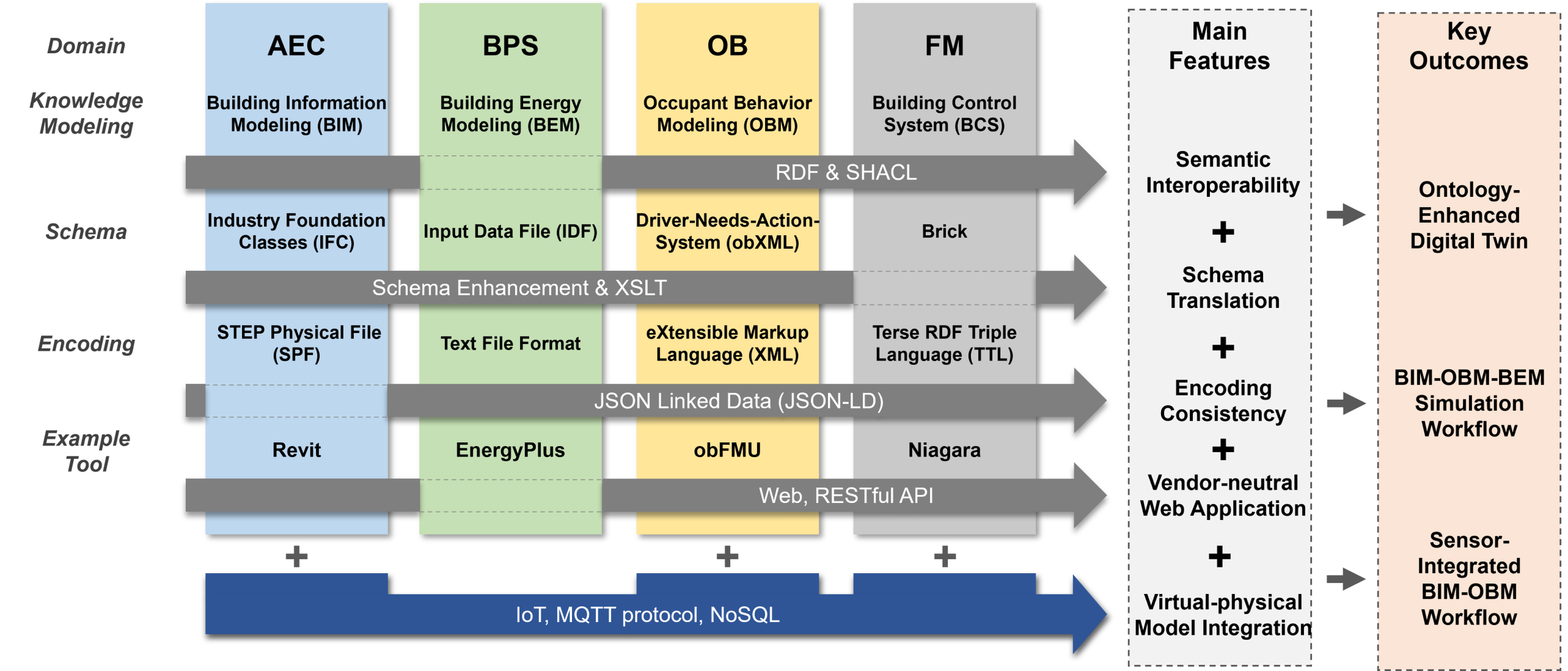
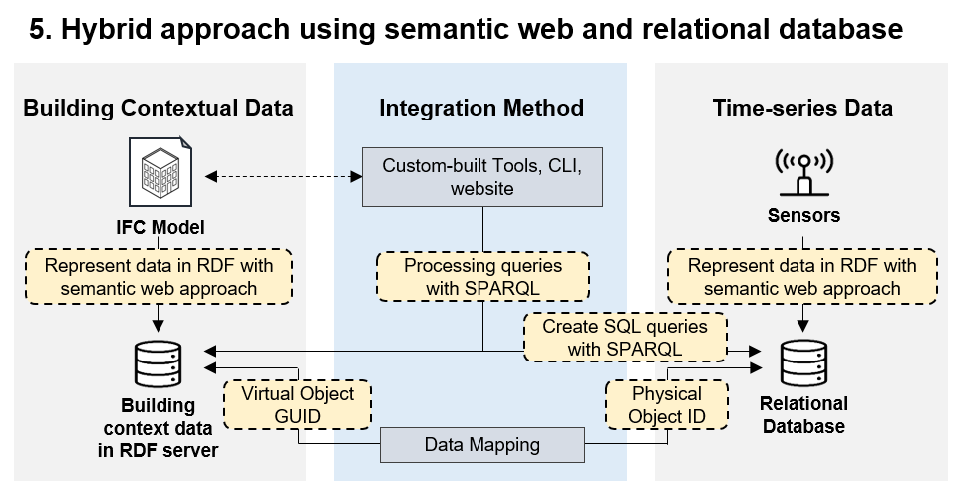
This research project introduces a federated digital ecosystem driven by semantic web technologies, envisioning the building Digital Twin as a semantic, adaptive system that synchronizes physical assets with virtual simulations to improve occupant-centric energy efficiency. A multi-layered interoperability framework was developed, connecting Building Information Modeling (BIM), Building Performance Simulation (BPS), Building Control Systems (BCS), and Occupant Behavior Modeling (OBM) domains. The framework leverages linked-data strategies to provide a new, data-driven operational topology that responds more effectively to real-time environmental conditions and occupant needs. This approach integrates domain-specific ontologies—including IFC, Brick, and the Drivers-Needs-Actions-Systems (DNAS) framework—to inform information translation between architectural geometry, building automation, and behavioral simulation. The semantic integration is translated into the simulation process through a novel SHACL-enabled schema transformation platform that validates and translates data across domains, ensuring semantic integrity throughout the building lifecycle.
Additionally, the project fundamentally redefines the simulation of human agency within the built environment by integrating advanced Occupant Behavior (OB) concepts into the interoperability framework. This is achieved through the enhancement of obXML (occupant behavior XML), a schema that standardizes the description of human activities using the Drivers-Needs-Actions-Systems (DNAS) framework, and obFMU (occupant behavior Functional Mock-up Unit), a co-simulation engine that executes these behavioral models alongside energy simulations. By bridging the gap between static building information and dynamic behavioral data, the framework moves beyond rigid occupancy schedules to enable data-driven simulations where virtual occupants actively interact with building systems. This inclusion of high-fidelity occupant modeling ensures that building digital twins capture the complex, stochastic nature of human comfort and decision-making, ultimately closing the feedback loop between design intent and operational reality.
Project Date: 2023 - 2025
Researchers: Jihoon Chung, Dennis Shelden, Jeetika Malik, and Tianzhen Hong
Collaborators: Tianzhen Hong (LBNL), Robert Karlicek, Jeetika Malik (LBNL), Deborah McGuinness, Henrique Oliveira Santos
Publications:
Chung, J., Hong, T., Malik, J., & Shelden, D. (2025). Enhancing occupant behavior representation for interoperability between building information modeling and building energy modeling. In Building Simulation (Vol. 18, No. 9, pp. 2435-2458). Beijing: Tsinghua University Press.
Chung, J., Hong, T., Robert, K., Santos, H., Shelden, D., & Sparks, D. (2024). Distributed Semantics to Support Built Environment Digital Twins. In NSF Workshop on Sustainable Computing for Sustainability 2024 (p. 1).
Chung, J., Jacoby-Cooper, G., Rook, K., Henrique, S., Shelden, D., Kendall, E., and McGuinness, D. (2023) "Towards an Indoor Environmental Quality Management Ontology" Proceedings of First International Workshop on Semantic Web on Constrained Things @ ESWC-23 (SWoCoT-23), pp. 16-26, Hersonissos, Greece, 28 May., https://hdl.handle.net/20.500.13015/6674